
How PayJoy Drives Digital Inclusion Through Smartphone Access in South Africa
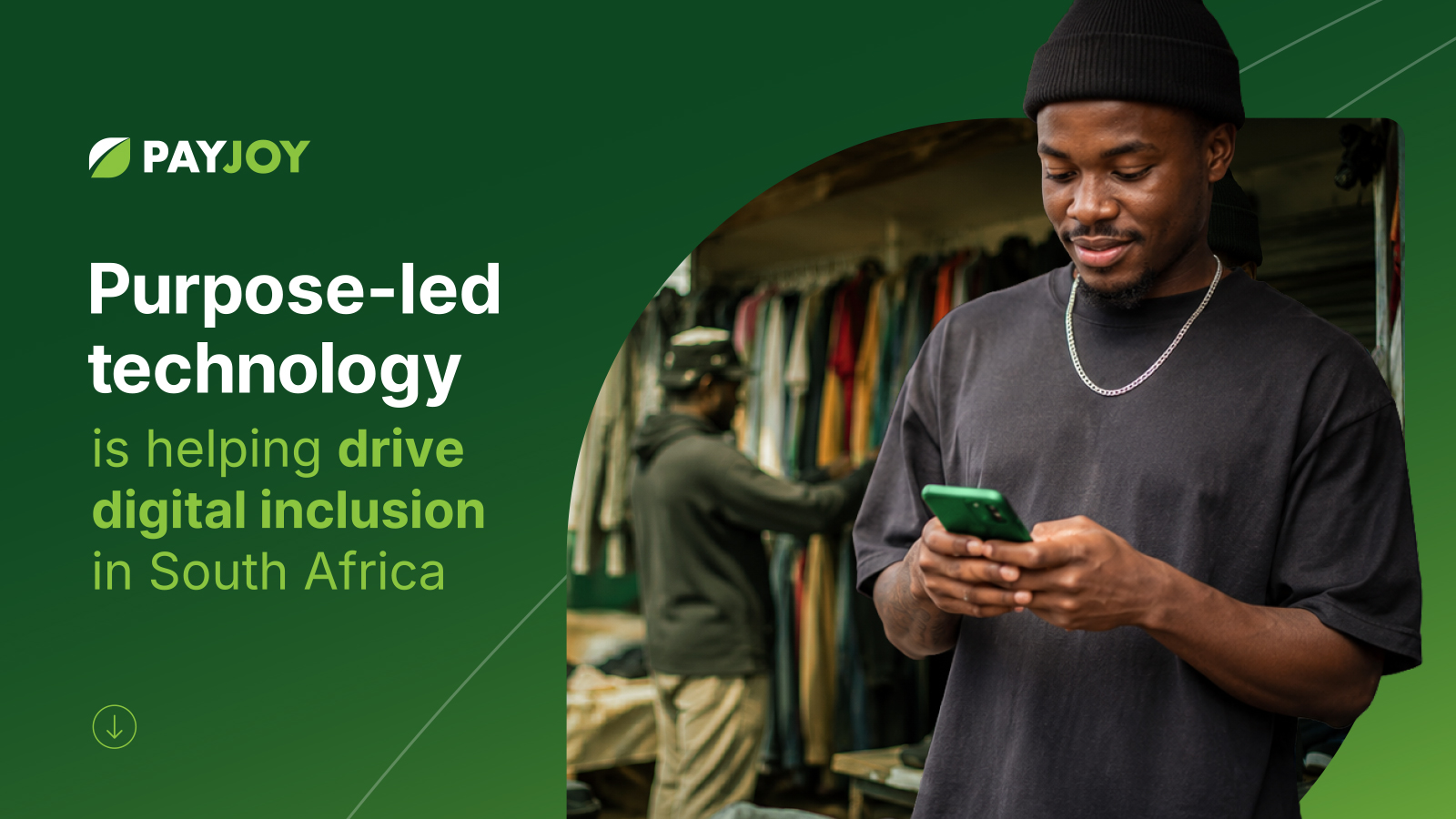
PayJoy expands digital participation in South Africa by utilizing a commercial model that provides affordable smartphone access to underserved populations.
Bridging the Digital Divide
The growing gap in technology access remains a significant hurdle for economic mobility in South Africa. As essential services, education, and employment opportunities increasingly move online, the lack of hardware becomes a barrier to entry for millions of citizens.
PayJoy is addressing this disparity by implementing a business model centered on smartphone accessibility. By lowering the initial financial threshold required to own a mobile device, the company aims to bring more individuals into the digital economy.
Merging Social Impact with Commercial Success
The company's strategy demonstrates that social objectives and business profitability can coexist effectively. Rather than relying solely on traditional financing methods, which often exclude those without formal credit histories, PayJoy utilizes a purpose-led technology approach.
This model allows users to acquire smartphones through manageable payment structures. As participants gain access to mobile internet, they can access banking services, job marketplaces, and educational tools that were previously out of reach.
Expanding Digital Participation
Digital inclusion serves as a foundation for broader economic development. When more citizens can participate in the digital space, the entire ecosystem benefits through increased connectivity and consumer engagement. The impact of this model includes:
- Increased Connectivity: Providing the hardware necessary to access high-speed mobile networks.
- Economic Empowerment: Enabling users to manage finances and seek employment via mobile platforms.
- Educational Access: Allowing students to utilize digital learning resources.
By focusing on the intersection of technology and financial accessibility, PayJoy is helping to reshape the digital landscape in South Africa, ensuring that smartphone ownership is not a luxury reserved only for the wealthy.

