
FDNY firefighters discuss mental health and breaking the stigma
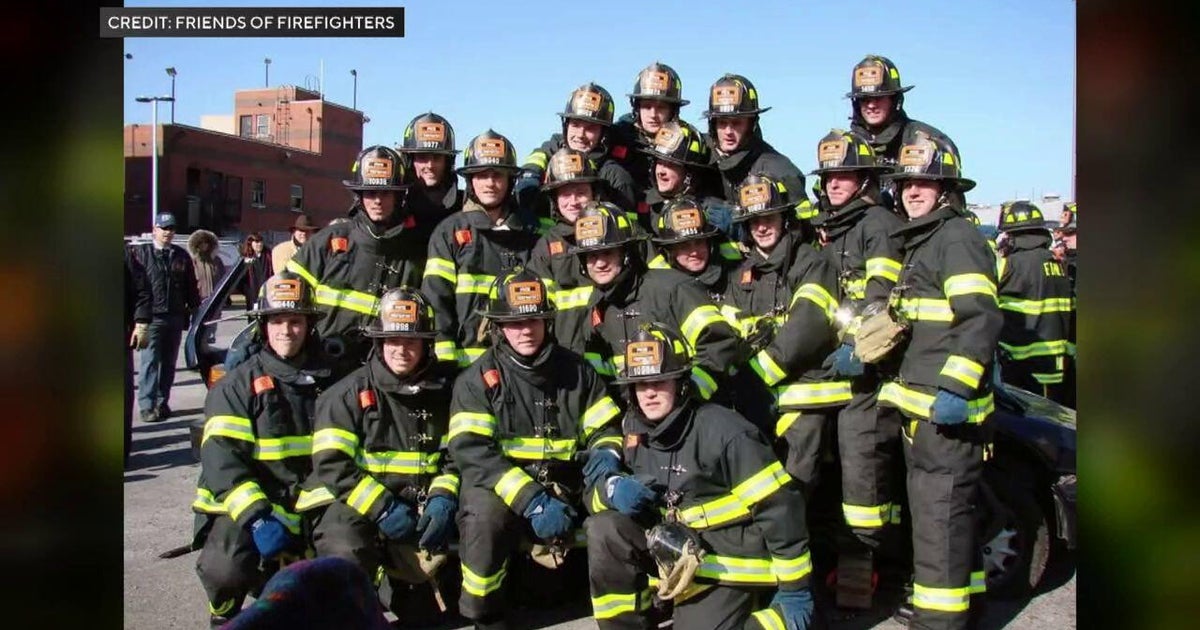
FDNY members are addressing the mental health challenges and psychological pressures faced by first responders in high-stress emergency roles.
The psychological impact on first responders
Members of the Fire Department of New York (FDNY) are speaking openly about the mental health struggles inherent in their profession. This initiative aims to dismantle long-standing stigmas that often prevent emergency personnel from seeking necessary psychological support.
First responders operate in environments characterised by high pressure and exposure to traumatic incidents. These professional demands frequently result in significant psychological burdens that can affect both personal and professional lives.
Common mental health challenges
Research and first-hand accounts from emergency personnel highlight several prevalent clinical conditions within the sector. These challenges often arise from the repetitive nature of trauma exposure and the physiological demands of the job:
- Post-Traumatic Stress Disorder (PTSD): Often triggered by witnessing life-threatening events or fatal accidents.
- Anxiety: Chronic stress linked to the unpredictable nature of emergency calls and high-stakes decision-making.
- Depression: Resulting from the emotional toll of the work and the difficulty of decompressing after shifts.
The FDNY's efforts to facilitate these discussions represent a shift in departmental culture. By acknowledging these issues, the organisation seeks to provide a safer environment for staff to manage their well-being.
Addressing the culture of silence
For many years, a culture of silence has surrounded mental health in emergency services. Many professionals felt that admitting to psychological struggles could be perceived as a weakness or potentially impact their operational readiness.
Current discussions led by FDNY members aim to reframe mental healthcare as a component of overall physical fitness and operational longevity. Addressing these issues early is seen as a method to reduce the long-term impact of occupational stress.
The ongoing dialogue focuses on the importance of peer support and professional intervention. Ensuring that members have access to specialised mental health resources is a primary goal for improving the resilience of the firefighting community.